CALL US NOW
 EMAIL US NOW

A workers compensation attorney can greatly improve the outcome of your California work injury claim. An attorney can guide you through the complex Division of Workers’ Compensation (DWC) procedures, fight denied claims, and make sure you get proper medical treatment. An attorney can also work to maximize your permanent disability rating and related benefits. Employers’ insurance companies have experienced claims adjusters whose goal is to pay as little as possible. An attorney levels the playing field. Attorney Damoun Yazdi at The Accident Network Law Group handles California workers compensation claims throughout Southern California.
Key Takeaways
- A workers comp attorney handles DWC paperwork, hearings, and negotiations so you can focus on recovery
- Attorneys can appeal denied claims, challenge inadequate medical treatment decisions, and dispute low disability ratings
- California workers comp law is complex, including specific rules about medical provider networks, qualified medical evaluators, and permanent disability calculations
- In third-party cases where someone other than your employer caused your injury, an attorney can pursue both workers comp benefits and a civil lawsuit
- California workers comp attorneys work on contingency; you pay nothing upfront
What a Workers Comp Attorney Does for Your Claim
Filing and Documenting Your Claim
The workers compensation claims process begins with reporting the injury to your employer and completing a DWC-1 claim form. Your employer’s insurance carrier then has 90 days to accept or deny the claim. An attorney ensures your claim is properly documented, all deadlines are met, and the injury is described accurately and completely to support maximum benefits.
Challenging Claim Denials
Insurance carriers frequently deny workers compensation claims citing lack of medical causation (arguing the injury did not arise from work), failing to report within the required timeframe, claiming the injury was pre-existing, or alleging the injury was self-inflicted or caused by the employee’s own misconduct. An attorney can challenge these denials through the DWC’s formal dispute resolution process, including hearings before Workers’ Compensation Judges.
Ensuring Proper Medical Treatment
California workers compensation provides medical treatment through the employer’s medical provider network (MPN). If your employer has an MPN, you must typically treat within that network. If the MPN physicians are not providing appropriate treatment, your attorney can file a Request for Authorization (RFA) for specific treatments and, if denied, trigger an Independent Medical Review (IMR) process.
When an IMR denies treatment, an attorney can appeal to the Workers’ Compensation Appeals Board (WCAB) and challenge the IMR decision in certain circumstances. Obtaining proper medical treatment is often the most important aspect of a workers compensation case.
Disputing Permanent Disability Ratings
When a work injury results in permanent impairment, a physician evaluates the injury using the American Medical Association (AMA) Guides and the California permanent disability rating system. These ratings determine your permanent disability (PD) benefits. Insurance carriers frequently challenge high PD ratings, and employees challenge low ratings.
When there is a dispute about the permanent disability rating, Qualified Medical Evaluators (QMEs) or Agreed Medical Evaluators (AMEs) are used. An attorney helps select an AME when possible (AMEs are jointly agreed upon rather than randomly assigned), prepares medical-legal documents, and ensures the QME or AME has complete information about your injuries.
Third-Party Claims
When someone other than your employer caused your work injury (for example, a defective machine manufactured by a third party, a negligent driver who caused your vehicle accident during work hours, or a negligent property owner where you were working), you may have both a workers compensation claim and a civil personal injury lawsuit against the third party.
Pursuing both claims is complex. Workers compensation provides partial wage replacement and medical coverage, while a civil lawsuit can recover pain and suffering and full wage replacement. California Labor Code Section 3852 allows injured workers to file both claims simultaneously, but there are subrogation implications where the workers comp insurer may claim a portion of the civil recovery. An attorney coordinates both tracks to maximize total recovery.
California Workers Compensation Laws
California Labor Code Section 3600 establishes workers compensation as the exclusive remedy against employers for work injuries. California Labor Code Section 3700 requires most employers to carry workers compensation insurance. California Labor Code Section 4600 provides for medical treatment. California Labor Code Section 4658 governs permanent disability benefits.
Nuria Siliezar
Contact The Accident Network Law Group About Your Workers Compensation Claim
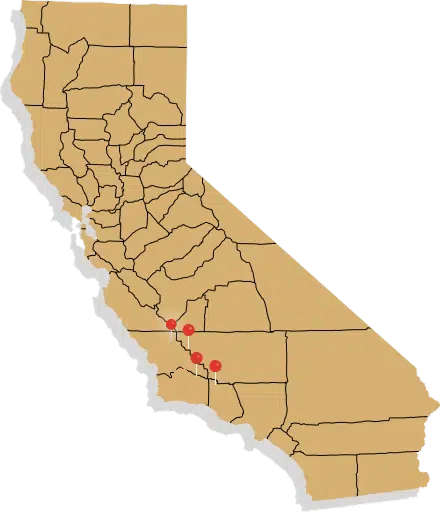
Whether your claim was denied, your medical treatment was cut off, or you are unsure if a third party also bears responsibility for your injury, The Accident Network Law Group can review your DWC file and outline your options. Consultations are free and workers compensation matters are handled without any upfront cost to you. The firm serves Costa Mesa, Riverside, Rancho Cucamonga, Apple Valley, Victorville, Bakersfield, and the rest of Southern California. Se habla espanol.
Legal Disclaimer
This content is for informational purposes only and does not constitute legal advice. The outcome of any case depends on its specific facts and circumstances. Past results do not guarantee future outcomes. Contact The Accident Network Law Group for advice about your individual situation.