CALL US NOW
 EMAIL US NOW

California workers compensation covers any injury or illness that arises out of and in the course of employment (AOE/COE). This standard is broad. It covers sudden traumatic accidents, cumulative trauma injuries from repetitive motion or exposure over time, occupational diseases caused by work conditions, and, in certain circumstances, psychological injuries. There is no specific list of qualifying injuries. The key questions are whether the injury arose from work activities and whether it happened while the employee was acting within the scope of employment. Attorney Damoun Yazdi at The Accident Network Law Group handles California workers compensation claims throughout Southern California.
Key Takeaways
- California workers comp uses the AOE/COE standard: the injury must arise out of employment and occur in the course of employment
- Sudden traumatic accidents at work (falls, machinery injuries, vehicle accidents during work) clearly qualify
- Repetitive stress injuries from typing, assembly work, or other repetitive tasks qualify as cumulative trauma claims
- Occupational diseases caused by chemical exposure, noise, or other workplace hazards qualify
- Psychological injuries may qualify after meeting higher standards under California Labor Code Section 3208.3
Sudden Traumatic Work Injuries
Sudden traumatic injuries are the most straightforward workers compensation cases. These include falls from ladders, scaffolding, or elevated surfaces, being struck by falling objects or moving machinery, vehicle accidents while driving for work, injuries from workplace explosions or chemical spills, lacerations, fractures, and burns from workplace equipment or activities, and electrocution from workplace electrical systems.
Any part of the body injured in a sudden work-related accident is potentially covered. Common injuries in sudden trauma cases include back and spine injuries, shoulder and rotator cuff injuries, knee injuries, head and brain injuries, hand and finger injuries, and burns.
Cumulative Trauma Injuries
Cumulative trauma claims, also called repetitive stress injuries or occupational overuse injuries, arise when the cumulative effect of repetitive work activities over time causes injury. These claims are more complex because they develop gradually rather than from a single incident.
Common cumulative trauma claims include carpal tunnel syndrome from keyboard use or repetitive hand motions, tendinitis and bursitis from repetitive lifting or reaching, hearing loss from prolonged exposure to workplace noise, back and neck conditions from prolonged sitting or standing in non-ergonomic positions, and knee and hip degeneration from prolonged kneeling or climbing.
For cumulative trauma injuries, California Labor Code Section 5412 defines the date of injury as the date the employee first suffered disability from the condition and knew, or in the exercise of reasonable diligence should have known, that the disability was caused by present or prior employment. Under Labor Code Section 5405, the one-year statute of limitations for filing a claim runs from that date.
Occupational Diseases
Occupational diseases caused by work conditions qualify for workers compensation. These include respiratory diseases from chemical or dust exposure (such as silicosis in construction workers or asbestosis in workers exposed to asbestos), skin conditions from chemical exposure, cancers caused by workplace carcinogens, and infections contracted in the course of work (particularly relevant for healthcare workers).
Psychological Injuries
Labor Code Section 3208.3 allows workers compensation claims for psychiatric or psychological injuries, but imposes higher standards than physical injury claims. The employee generally must have worked for the employer for at least six months, unless the injury resulted from a sudden and extraordinary employment condition, and the actual events of employment must be the predominant cause, meaning more than half, of all causes combined of the psychiatric injury. A lower substantial cause standard of roughly 35 to 40 percent applies only when the injury results from a violent act, such as a workplace assault or robbery.
Common qualifying psychological injuries include PTSD following a traumatic work incident, anxiety and depression developing from workplace harassment or severe job stress, and psychological conditions caused by a physical work injury.
Pre-Existing Conditions
A pre-existing condition does not disqualify a workers compensation claim if the work activities aggravated, accelerated, or combined with the pre-existing condition to produce the disability. The employer takes the employee as they are; a worker with a previously injured back who suffers a further back injury at work is entitled to benefits for the work-related portion of the disability.
California Workers Compensation Laws
California Labor Code Section 3600 establishes the AOE/COE requirement. Section 3208.3 sets the psychiatric injury requirements. Section 5405 sets the one-year statute of limitations, measured from the date of injury as defined in Section 5412 for cumulative trauma and occupational disease claims. Section 3212 et seq. creates presumptions for certain employee categories, including firefighters and police officers. California uses the AMA Guides to the Evaluation of Permanent Impairment for permanent disability rating under Labor Code Section 4660.1.
Elvia Fernandez
It was always someone available to answer any phone call
Contact The Accident Network Law Group About Your Workers Compensation Claim
If you are uncertain whether your injury qualifies for workers compensation, The Accident Network Law Group can review your medical records, incident reports, and employment history in a free consultation to help you determine whether it meets the AOE/COE standard. We handle these claims on a contingency basis, so there is no upfront cost to find out where you stand.
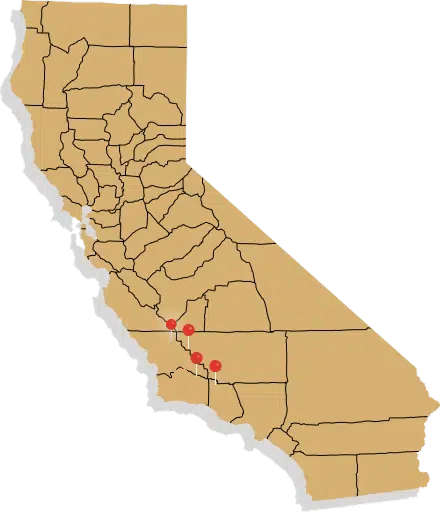
Our team serves clients in Costa Mesa, Riverside, Rancho Cucamonga, Apple Valley, Victorville, and Bakersfield, and throughout Southern California. Se habla espanol.
Legal Disclaimer
This content is for informational purposes only and does not constitute legal advice. The outcome of any case depends on its specific facts and circumstances. Past results do not guarantee future outcomes. Contact The Accident Network Law Group for advice about your individual situation.