CALL US NOW
 EMAIL US NOW

Yes. In many California workplace injury cases, you can pursue a workers’ compensation claim and a personal injury lawsuit at the same time. Workers’ compensation is generally your only remedy against your employer. California Labor Code Section 3600 makes an employer liable for a workplace injury without regard to fault. Section 3602 confirms that compensation is the sole and exclusive remedy against the employer, subject to narrow exceptions. However, Labor Code Section 3852 preserves your separate right to sue a third party whose negligence contributed to your injury. That could be another driver, a property owner, or an equipment manufacturer. You can do this even while you keep collecting workers’ comp benefits from your employer. This two-track approach frequently produces a total recovery far above what workers’ comp alone provides. Our firm handles the third-party civil side. We identify and pursue the personal injury claim against the at-fault third party while your workers’ compensation claim proceeds separately with your employer’s insurer.
Key Takeaways
- Workers’ compensation is generally your exclusive remedy against your employer under California Labor Code Sections 3600 and 3602; you typically cannot sue your employer in civil court for a workplace injury
- If a third party, such as another driver, a contractor, a property owner, or a product manufacturer, caused or contributed to your workplace injury, Labor Code Section 3852 lets you sue that third party in civil court while you also receive workers’ comp benefits
- Common dual-track scenarios include a delivery driver injured by another motorist, a construction worker injured by a different subcontractor’s crew, and a warehouse worker injured by defective equipment
- Your workers’ comp insurer holds a lien on your third-party personal injury recovery under Labor Code Section 3856; the insurer must be reimbursed from the settlement for benefits already paid, but net recovery is typically far higher than workers’ comp alone
- California’s two-year statute of limitations (Code of Civil Procedure Section 335.1) applies to the third-party personal injury claim; the workers’ compensation claim has its own separate filing deadlines
Dylan Mendoza
Amazing team 👏 great team five stars on Cristina Galvan and Andrea gave me a the confidence and helped me out all the way! THANK YOU GUYS
How the Dual-Track System Works
- File your workers’ compensation claim. Report the injury to your employer and file a claim with their workers’ compensation insurer. Workers’ comp provides medical treatment and temporary disability payments, generally about two-thirds of your average weekly earnings, while you recover, regardless of who was at fault.
- Identify third-party defendants. We investigate every party whose negligence contributed to your injury beyond your employer. Common third parties include the driver of another vehicle in a work-related crash, a general contractor or subcontractor whose negligence caused a construction site injury, the manufacturer of defective equipment that caused the injury, or a property owner whose negligent premises caused the injury.
- Pursue the third-party personal injury claim. This civil claim can recover pain and suffering, full lost wages rather than the two-thirds rate paid by workers’ comp, and, where the facts support it, punitive damages, none of which workers’ comp provides.
- Resolve the workers’ comp lien. Your workers’ comp insurer’s lien under Labor Code Section 3856 is negotiated and resolved out of the third-party settlement. We negotiate lien reductions so more of the third-party recovery reaches you.
Why Civil Litigation Often Produces Far More Than Workers’ Comp
Workers’ compensation caps permanent disability benefits and excludes pain and suffering entirely. A civil personal injury judgment against a negligent third party can include full non-economic damages, which is frequently the largest component of total recovery in serious injury cases.
What Our Firm Handles, and What We Don’t
To be clear about scope: we do not represent clients in the workers’ compensation claim itself, which is filed with your employer’s insurer and proceeds through the Division of Workers’ Compensation. Our focus is identifying whether a third party, separate from your employer, bears responsibility for your injury and pursuing that civil personal injury claim on a contingency basis alongside your existing workers’ comp benefits.
Contact The Accident Network Law Group About Your Third-Party Claim
If you were injured at work and a party other than your employer may share fault, Attorney Damoun Yazdi at The Accident Network Law Group can evaluate the third-party civil claim while your workers’ compensation benefits continue. We identify every liable third party, help resolve your workers’ comp lien, and pursue full compensation, including pain and suffering, on a contingency fee basis. Free consultations, no fee unless we recover for you.
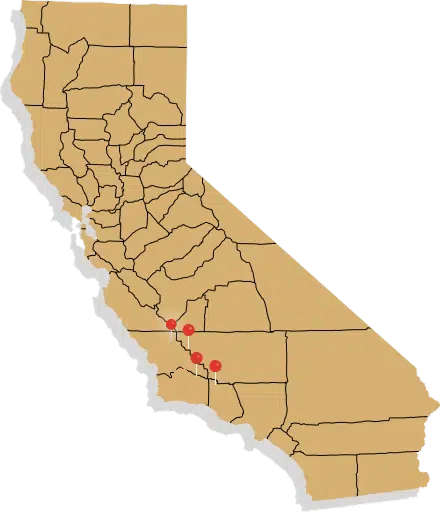
Our team serves Costa Mesa, Riverside, Rancho Cucamonga, Apple Valley, Victorville, and surrounding Southern California communities. Se habla espanol.
This content is for informational purposes only and does not constitute legal advice. The outcome of any case depends on its specific facts and circumstances. Past results do not guarantee future outcomes. Contact The Accident Network Law Group for advice about your individual situation.