CALL US NOW
 EMAIL US NOW

California workers compensation is a no-fault system. Injured workers receive benefits for work-related injuries without needing to prove the employer was negligent or at fault. Even if the employee’s own carelessness contributed to the injury, they are generally still entitled to workers compensation benefits. This trade-off is the foundation of the system. Employees give up the right to sue their employer in civil court (the exclusive remedy doctrine). In exchange, they get guaranteed, no-fault benefits. Attorney Damoun Yazdi at The Accident Network Law Group handles workers compensation claims throughout Southern California.
Key Takeaways
- California’s no-fault workers comp system means employees receive benefits regardless of who caused the injury
- Employees do not need to prove employer negligence to receive workers comp benefits
- The exclusive remedy doctrine, established by Labor Code Section 3602 once the conditions of Labor Code Section 3600 are met, prevents employees from suing employers in civil court for work injuries in most situations
- Exceptions to the exclusive remedy doctrine exist for willful physical assault by the employer, fraudulent concealment of a disease, and dual-capacity scenarios
- No-fault does not mean unlimited benefits; insurance carriers still investigate claims and may challenge coverage
How No-Fault Workers Compensation Works
In a no-fault system, the cause of the injury is less important than whether the injury arose out of and in the course of employment (AOE/COE). An employee who slips on a wet floor at work because they were not paying attention still receives benefits. A construction worker who makes a mistake and falls from scaffolding still receives benefits. A nurse who injures their back using improper lifting technique still receives benefits.
This contrasts sharply with the personal injury civil litigation system, where the plaintiff must prove the defendant’s negligence caused the injury. In a workers comp claim, the employee’s own negligence is generally irrelevant.
The Trade-Off: Exclusive Remedy Doctrine
The price of no-fault benefits is the exclusive remedy doctrine. Labor Code Section 3600 sets out the conditions under which an employer is liable for compensation, and Labor Code Section 3602 makes that compensation the sole and exclusive remedy of the employee against the employer once those conditions are met. An employee generally cannot file a civil lawsuit against their employer seeking pain and suffering, punitive damages, or full wage replacement the way they could in a personal injury case.
This means an employee who is seriously injured due to the employer’s negligence receives workers compensation benefits, which do not cover pain and suffering, rather than the potentially larger civil damages available outside the workers comp system. In serious injury cases, the trade-off generally favors the employer.
What No-Fault Does Not Cover
While fault is generally irrelevant in workers compensation, there are exceptions where coverage may be denied or reduced.
Willful misconduct: California Labor Code Section 4551 allows an employer’s insurer to petition to reduce, not eliminate, an injured worker’s benefits by up to one-half when the injury was caused by the employee’s own serious and willful misconduct. This reduction does not apply if the injury causes permanent disability of 70 percent or more, results in death, involves an employee under 16, or was caused in part by the employer’s failure to comply with a safety law or order. Ordinary carelessness does not meet this high standard.
Intoxication: benefits may be denied if the injury occurred because the employee was intoxicated at the time and the intoxication was the proximate cause of the injury.
Self-inflicted injuries: injuries that are intentionally self-inflicted are excluded from coverage.
Benefits Available Under No-Fault Workers Compensation
Even without proving fault, injured California workers are entitled to medical treatment for the work injury (Labor Code Section 4600), temporary disability benefits equal to two-thirds of average weekly wages (Labor Code Section 4653), permanent disability benefits based on the extent of permanent impairment (Labor Code Section 4658), a supplemental job displacement voucher of up to $6,000 toward education-related retraining if the employer cannot offer modified or alternative work (Labor Code Section 4658.7), and death benefits for surviving dependents (Labor Code Section 4700 et seq.).
Exceptions to the Exclusive Remedy Doctrine
While employees generally cannot sue employers in civil court, exceptions exist. Intentional injury: if the employer intentionally injures the employee, the employee can sue in civil court. Fraudulent concealment: if the employer conceals a work-related disease, the employee may have civil remedies. Dual capacity: if the employer acts in a separate capacity that creates an independent duty to the employee, for example if the employer is also the manufacturer of the defective equipment that caused the injury, a civil suit may be possible. Third-party tortfeasors: if someone other than the employer caused the injury, the employee can file both a workers comp claim and a civil suit against that third party.
California Workers Compensation Laws
California Labor Code Section 3600 (the conditions of compensation liability), Section 3602 (the exclusive remedy rule), Section 3700 (the employer insurance requirement), Section 4551 (the willful misconduct reduction), Section 4600 (medical treatment), and Sections 4653 through 4658.7 (disability and supplemental job displacement benefits) together form the framework of California’s no-fault workers compensation system.
Jesse Medina
Took care of me!!! Help me get my legal issues resolved 👍🏽
Contact The Accident Network Law Group About Your No-Fault Workers’ Comp Case
No-fault does not mean automatic or unlimited, and insurers still look for exceptions, like alleged willful misconduct or intoxication, to reduce or deny a claim. Attorney Damoun Yazdi at The Accident Network Law Group reviews the specifics of your injury, pushes back on improper reductions, and identifies any third party who may share liability alongside your employer. Consultations are free and we handle cases on a contingency basis, so there is no upfront cost to find out where you stand.
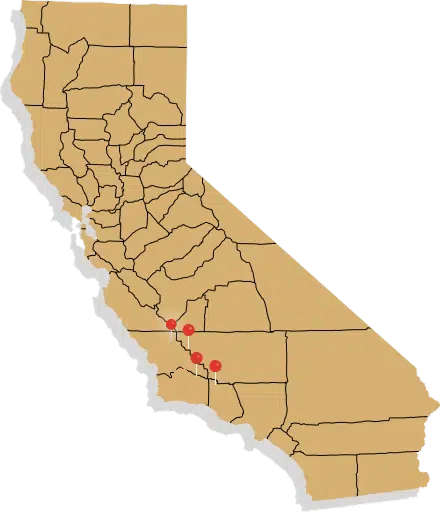
Our team serves Costa Mesa, Riverside, Rancho Cucamonga, Apple Valley, Victorville, and Bakersfield, and throughout Southern California. Se habla espanol.
Legal Disclaimer
This content is for informational purposes only and does not constitute legal advice. The outcome of any case depends on its specific facts and circumstances. Past results do not guarantee future outcomes. Contact The Accident Network Law Group for advice about your individual situation.