CALL US NOW
 EMAIL US NOW

Yes. A car accident attorney can negotiate a settlement for you. In most cases, that secures a much higher amount than you would get by dealing with the insurance company yourself. Insurance adjusters are trained negotiators, and their job is to keep payouts low. An experienced attorney knows the tactics insurers use. The attorney counters them with evidence, legal knowledge, and the credible threat of a lawsuit. Attorney Damoun Yazdi at The Accident Network Law Group handles settlement negotiations for car accident victims throughout Southern California.
Key Takeaways
- Insurance adjusters have less incentive to lowball a claimant who is represented by an attorney, because a represented claimant is far more likely to file suit if the offer is inadequate
- Your attorney handles all communication with the insurance company, preventing you from making statements that could hurt your claim
- Most car accident cases settle without going to trial, but your attorney’s willingness to litigate strengthens your negotiating position
- California’s two-year statute of limitations (CCP Section 335.1) means you should consult an attorney promptly
- Attorney Damoun Yazdi works on contingency, so you pay nothing unless he recovers compensation for you
Why Insurance Companies Offer More When You Have an Attorney
Insurance companies are businesses. Their adjusters operate within authority limits designed to close claims for as little as possible. When you negotiate without an attorney, the adjuster knows you are unlikely to file a lawsuit if the offer is inadequate. That leverage imbalance results in lower offers.
When an attorney enters the picture, the calculus changes. The insurance company knows that a represented claimant is far more likely to file suit if negotiations fail. Filing a lawsuit costs the insurer significant money in defense attorney fees, discovery costs, and the risk of a jury verdict that exceeds their initial reserve. This economic reality motivates adjusters to make more reasonable offers to represented claimants.
Attorney Yazdi’s background as a former law clerk at the Los Angeles County District Attorney’s Office means insurance companies recognize he has courtroom experience and will follow through on the threat of trial. That reputation matters in settlement negotiations.
The Settlement Negotiation Process
Understanding how the process works helps you know what to expect.
Investigation and evidence gathering: Before any negotiation begins, your attorney builds a complete file. This includes police reports, medical records, diagnostic imaging, treatment plans, employment records showing lost wages, and any other documentation of your damages. Attorney Yazdi begins this process at the initial consultation.
Demand package submission: Once your medical treatment reaches maximum medical improvement (MMI) or a stable plateau, your attorney prepares a demand package. This document summarizes the accident, establishes liability, details your injuries and treatment, itemizes your economic losses, and presents a demand amount for settlement. A well-crafted demand package, supported by strong evidence, sets the tone for negotiations.
Insurance company response: The adjuster reviews the demand, typically counters with a lower amount, and may raise defenses such as comparative fault or pre-existing conditions. This is expected and is the starting point of negotiation, not the final word.
Negotiation rounds: Your attorney and the adjuster exchange offers and counteroffers. During this process, your attorney may provide additional evidence, address the adjuster’s arguments, or invoke specific legal precedents to support your position. Most settlements are reached within two to four rounds of negotiation for straightforward cases.
Mediation (if needed): If direct negotiation stalls, both sides may agree to mediation, where a neutral third party helps facilitate a resolution. Mediation is less costly and time-consuming than trial and resolves many cases that direct negotiation cannot.
Filing a lawsuit: If the insurance company refuses to make a fair offer, your attorney files a lawsuit in California Superior Court. Filing does not necessarily mean going to trial. Many cases settle during the litigation process, often after discovery reveals additional evidence supporting your claim.
Settlement vs. Trial: Which Is Better?
The vast majority of car accident cases settle without going to trial. Settlement offers several advantages: faster resolution, lower costs, guaranteed payment, and avoidance of the uncertainty of a jury verdict.
However, trial may be the better option when the insurance company’s best offer is significantly below the value of your case, when liability is disputed and you have strong evidence, or when the insurer is acting in bad faith by unreasonably delaying or denying your claim.
Attorney Yazdi evaluates each case individually. His goal is always to maximize your recovery, whether that means negotiating an excellent settlement or presenting your case to a jury. Having an attorney who is genuinely prepared to try your case gives you the strongest possible negotiating position.
Factors That Maximize Your Settlement
Severity of injuries: More serious injuries with longer recovery times and higher medical costs generally produce larger settlements. Permanent injuries, chronic pain, and disabilities command the highest values.
Clarity of liability: When the other driver is clearly at fault (ran a red light, rear-ended you at a stop, was cited by police), the insurance company has less room to dispute your claim.
Thoroughness of documentation: Gaps in medical treatment, missing records, and inconsistent statements all reduce settlement value. Your attorney’s job is to build a complete, consistent record from day one.
Pre-litigation negotiation vs. lawsuit filing: Settlements tend to increase once a lawsuit is filed because the insurer faces real litigation costs. However, many cases resolve favorably through pre-litigation negotiation alone.
California’s pure comparative negligence standard (Li v. Yellow Cab Co., 1975) means your settlement is reduced by your percentage of fault, but not eliminated. If you are 10% at fault and your damages are $100,000, your recovery is $90,000.
California Laws That Affect Car Accident Settlements
California Code of Civil Procedure Section 335.1 sets a two-year statute of limitations for personal injury claims. If you do not file within two years of the accident, you lose your right to compensation.
California Civil Code Section 1714 establishes the duty of care that all drivers owe to others on the road. Violating this duty through negligence is the basis of most car accident claims.
California Vehicle Code Section 16056 (amended by SB 1107, effective January 1, 2025) requires minimum auto insurance of $30,000/$60,000/$15,000. If your damages exceed these minimums, your attorney will investigate the at-fault driver’s full policy limits and any umbrella coverage.
California Insurance Code Section 790.03 prohibits insurance companies from engaging in unfair claims practices, including unreasonable delays, inadequate investigation, and lowball settlement offers. If an insurer violates this statute, your attorney can use it as leverage in negotiations.
Talk to a California Car Accident Attorney
If you were injured in a car accident and want to know whether hiring an attorney will improve your settlement outcome, the answer is almost always yes. Attorney Damoun Yazdi at The Accident Network Law Group has over 12 years of experience negotiating car accident settlements in California. He offers free consultations and works on a contingency basis.
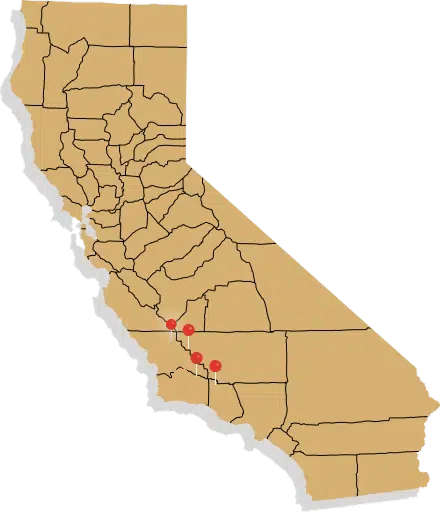
Our team serves Riverside, Costa Mesa, Rancho Cucamonga, Apple Valley, and all of Southern California. Se habla espanol.
Masoud Aghaeian
Very helpful and informative! This was the first time I was involved in a serious auto accident, and after talking with Attorney Damoun Yazdi, I was able to clearly understand the next steps and what to expect in the coming weeks/months. The Accident Network Law Group were really professional and would highly recommend them.
Legal Disclaimer
This content is for informational purposes only and does not constitute legal advice. The outcome of any case depends on its specific facts and circumstances. Past results do not guarantee future outcomes. Contact The Accident Network Law Group for advice about your individual situation.