CALL US NOW
 EMAIL US NOW

A slip and fall at a Trader Joe’s or any California grocery store may entitle you to compensation from the store under California premises liability law. California Civil Code Section 1714 requires commercial property owners, including grocery stores, to keep their premises reasonably safe. They must also take reasonable steps to find and fix hazards. Trader Joe’s, like all major retail chains, employs professional liability adjusters trained to minimize claims. Attorney Damoun Yazdi levels the playing field.
Key Takeaways
- California Civil Code Section 1714 requires grocery stores to maintain safe premises and warn customers of known or reasonably discoverable hazards
- To establish liability, you must show the store had actual notice (an employee created or knew of the hazard) or constructive notice (the hazard existed long enough that a reasonable inspection would have revealed it)
- Store surveillance video is not kept indefinitely, so sending an immediate written preservation demand as soon as possible after the fall is critical to prevent relevant footage from being recorded over
- Wet floors, spilled product, improperly stocked shelves, and produce or refrigerator unit condensation dripping onto floors are common grocery store hazard types
- California’s two-year statute of limitations (CCP Section 335.1) applies; do not delay contacting an attorney
Jericho
Thank you Cristina, for helping me with my settlement.
How Grocery Store Slip and Fall Liability Works in California
California courts apply the general negligence standard from Civil Code Section 1714 to grocery store slip and fall cases. The store must exercise ordinary care in managing the property, conduct reasonable inspections to discover hazards, remedy known hazards within a reasonable time, and warn customers of hazards that cannot be immediately remediated.
Constructive notice: If a spill or hazard existed long enough that a reasonably managed store would have discovered it through regular inspection, the store has constructive notice. Courts examine how often the area is inspected, whether prior spills in the same location are documented, and whether any employee was in the area before the fall.
Steps to Take After a Trader Joe’s Slip and Fall
Report the incident to the store manager immediately and obtain a written incident report. Photograph the exact hazard (wet floor, product spill, lack of warning cone) before it is cleaned. Photograph your injuries. Obtain names of any witnesses. Seek medical evaluation the same day. Do not sign any documents or speak with Trader Joe’s risk management or their insurer without first consulting Attorney Yazdi.
Why Early Evidence Preservation Is Critical
Grocery stores typically maintain surveillance camera coverage of their aisles and entryways, but that footage is not retained indefinitely and is often overwritten as part of a routine recording cycle. Attorney Yazdi sends immediate written preservation demand letters requiring Trader Joe’s to retain all surveillance footage, incident reports, inspection logs, and cleaning records relevant to your accident. Waiting to send this demand can significantly harm your case if the footage is overwritten before it can be secured.
Contact The Accident Network Law Group
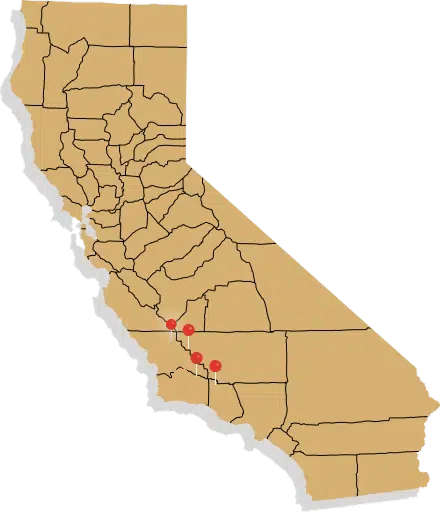
Grocery chains and their insurers move quickly to limit what they preserve after a fall, which is why acting fast matters. Attorney Damoun Yazdi and the team at The Accident Network Law Group send immediate evidence preservation demands and handle every step of a grocery store premises liability claim, with offices serving Costa Mesa, Riverside, Rancho Cucamonga, Apple Valley, Victorville, and Bakersfield. Consultations are free, we handle cases on a contingency fee (No Recovery, No Fee) basis, and se habla espanol.
This content is for informational purposes only and does not constitute legal advice. The outcome of any case depends on its specific facts and circumstances. Past results do not guarantee future outcomes. Contact The Accident Network Law Group for advice about your individual situation.