CALL US NOW
 EMAIL US NOW

Yes. A concussion is medically classified as a mild traumatic brain injury (mTBI). Despite the word “mild” in the medical label, a concussion can cause serious, lasting symptoms. These can affect your ability to work, drive, concentrate, and take part in daily life. If someone else’s negligence caused your concussion, California law entitles you to compensation for your medical treatment, lost income, and pain and suffering. Attorney Damoun Yazdi at The Accident Network Law Group offers free case evaluations for concussion injury victims.
Key Takeaways
- A concussion is a mild traumatic brain injury (mTBI) caused by a blow, jolt, or impact to the head
- “Mild” refers to the initial presentation, not the long-term impact; post-concussion syndrome can last months or years
- California’s two-year statute of limitations (CCP Section 335.1) applies to concussion injury claims
- Concussion symptoms may be delayed, making prompt medical evaluation critical for both your health and your legal claim
- Attorney Damoun Yazdi has 12+ years of experience handling traumatic brain injury cases in California
Carlos Ron
Attorney Damoun and his team were fantastic to work with. I felt very taken care of and didn’t have to worry about anything throughout the case. In the end, I was very pleased with my final settlement.
How the Medical Community Classifies Concussions
The Centers for Disease Control and Prevention (CDC) defines a concussion as a type of traumatic brain injury caused by a bump, blow, or jolt to the head, or by a hit to the body that causes the head and brain to move rapidly back and forth. This sudden movement causes the brain to bounce or twist inside the skull, creating chemical changes in the brain and sometimes stretching or damaging brain cells.
The Glasgow Coma Scale (GCS), which emergency medical professionals use to assess brain injury severity, classifies concussions as “mild” TBI when the patient scores 13 to 15 on the scale. Moderate TBI scores 9 to 12, and severe TBI scores 3 to 8.
The “mild” classification can be misleading in a legal context. Insurance companies sometimes seize on the word to minimize concussion claims. However, peer-reviewed medical research shows that approximately 10 to 30 percent of individuals diagnosed with mTBI experience persistent symptoms beyond three months, a condition known as post-concussion syndrome (PCS).
Common Causes of Concussions in California Personal Injury Cases
Concussions can result from virtually any type of accident that involves a sudden impact or violent movement. The most frequent causes our attorneys see include:
Car accidents: Even low-speed collisions can produce enough force to cause a concussion. The rapid deceleration causes your brain to shift inside your skull. Rear-end collisions are particularly common causes because the whiplash motion affects both the cervical spine and the brain.
Motorcycle and bicycle accidents: Riders are especially vulnerable because even with helmet use, the impact forces in a collision with a motor vehicle can cause brain injury. California Vehicle Code Section 27803 requires motorcycle riders to wear DOT-approved helmets, but helmets reduce the risk of severe TBI without eliminating the risk of concussion entirely.
Pedestrian accidents: When a vehicle strikes a pedestrian, the victim’s head may hit the vehicle, the pavement, or both. Pedestrian accidents frequently produce traumatic brain injuries due to the lack of any protective barrier.
Slip and fall accidents: A fall on a hard surface, whether in a grocery store, a parking lot, or at a construction site, can cause a concussion when the head strikes the ground. Premises liability law under California Civil Code Section 1714 holds property owners responsible for maintaining safe conditions.
Workplace accidents: Falls from heights, falling objects, and equipment accidents cause concussions in construction, warehouse, and manufacturing settings. Workers’ compensation may cover your medical treatment, but if a third party (not your employer) caused the accident, you may also have a personal injury claim.
Recognizing Concussion Symptoms
Concussion symptoms do not always appear immediately. Some symptoms develop hours or even days after the injury, which is why medical evaluation after any head impact is essential, even if you feel fine at the scene.
Immediate symptoms may include headache, dizziness, confusion, nausea, ringing in the ears, blurred vision, and sensitivity to light or noise.
Delayed symptoms may include difficulty concentrating, memory problems, irritability, mood changes, sleep disturbances, fatigue, and depression.
Red flag symptoms requiring emergency care: Loss of consciousness, worsening headache, repeated vomiting, seizures, slurred speech, weakness or numbness in limbs, and one pupil larger than the other.
From a legal standpoint, seeking medical attention immediately after an accident serves two purposes. First, it protects your health. Second, it creates a medical record that directly links your concussion to the accident, which is critical evidence in your personal injury claim.
Why “Mild” TBI Claims Are Often Undervalued
Insurance companies routinely try to minimize concussion claims. Common tactics include:
Pointing to normal CT scans or MRIs: Standard imaging often shows no structural abnormality after a concussion. This does not mean there is no injury. Concussions involve functional and chemical disruption of brain cells, which may not appear on conventional imaging. Advanced techniques like diffusion tensor imaging (DTI) can sometimes detect subtle brain changes, but they are not always part of the initial evaluation.
Arguing pre-existing conditions: If you have any history of headaches, anxiety, or depression, the insurer may claim your symptoms are unrelated to the accident.
Disputing the duration of symptoms: Post-concussion syndrome symptoms that persist beyond three months may be questioned as exaggerated or attributable to other causes.
Attorney Damoun Yazdi began his career as a paralegal at a personal injury firm and later served as a law clerk at the Los Angeles County District Attorney’s Office. This background gives him a thorough understanding of both the insurance defense playbook and the courtroom strategies needed to overcome it. When representing concussion victims, he works with neurologists, neuropsychologists, and other medical experts to build a medical record that insurance companies cannot easily dismiss.
Compensation Available for Concussion Injuries in California
If your concussion was caused by someone else’s negligence, you may recover:
Economic damages: Emergency room treatment, follow-up medical appointments, neurological evaluations, physical therapy, cognitive rehabilitation, medications, lost wages during recovery, and reduced earning capacity if the concussion affects your long-term ability to work.
Non-economic damages: Pain and suffering, emotional distress, cognitive difficulties, sleep disruption, loss of enjoyment of life, and the anxiety of living with an invisible injury that others may not understand or believe.
California does not cap non-economic damages in standard personal injury cases. The amount depends on the severity and duration of your symptoms, the quality of your medical documentation, and how the injury has affected your daily life.
California follows a pure comparative negligence standard (Li v. Yellow Cab Co., 1975), meaning you can recover compensation even if you were partially at fault. Your award is reduced by your percentage of fault, but it is not eliminated.
California Laws Relevant to Concussion Injury Claims
California Code of Civil Procedure Section 335.1 gives you two years from the date of injury to file a personal injury claim. Because concussion symptoms can be delayed, the date of “discovery” of the injury may extend this deadline in some cases, but you should not rely on this exception without legal advice.
Government Code Section 911.2 requires a tort claim within six months if the responsible party is a government entity (for example, a city that failed to maintain a sidewalk where you fell).
California Civil Code Section 1714 establishes the general duty of care. Property owners, drivers, employers, and other parties who breach their duty of care and cause injury are liable for the resulting damages.
California Vehicle Code Section 16056 (as amended by SB 1107, effective January 1, 2025) sets minimum auto insurance requirements at $30,000/$60,000/$15,000. These minimums may not cover serious concussion injuries, especially when post-concussion syndrome requires months of treatment.
Contact The Accident Network Law Group
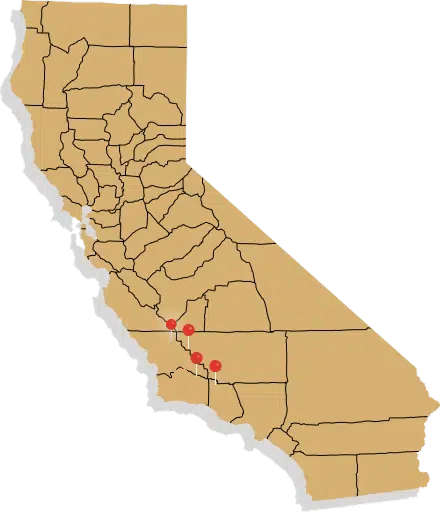
If you sustained a concussion in an accident caused by someone else’s negligence, Attorney Damoun Yazdi and the team at The Accident Network Law Group can evaluate your case at no cost, working with neurologists and other medical experts to document the full impact of your injury. Representation is on a contingency basis, which means you pay nothing unless we recover compensation for you. We serve clients in Costa Mesa, Riverside, Rancho Cucamonga, Apple Valley, Victorville, Bakersfield, and throughout Southern California. Se habla espanol.
Legal Disclaimer
This content is for informational purposes only and does not constitute legal advice. The outcome of any case depends on its specific facts and circumstances. Past results do not guarantee future outcomes. Contact The Accident Network Law Group for advice about your individual situation.