CALL US NOW
 EMAIL US NOW

A traumatic brain injury (TBI) attorney builds your case from several kinds of evidence. These include medical records, diagnostic imaging, expert witness testimony, accident documentation, and proof of how the injury has changed your daily life. Brain injuries are often invisible to others. So the evidence your lawyer gathers is what turns your experience into a claim that insurance companies and juries can evaluate. Attorney Damoun Yazdi at The Accident Network Law Group works with medical specialists and forensic experts to build thorough TBI cases for clients throughout Southern California.
Key Takeaways
- Medical records, including emergency treatment, follow-up care, and specialist evaluations, form the foundation of any TBI claim
- Diagnostic imaging (CT scans, MRIs, and advanced techniques like DTI) provides objective evidence of brain injury
- Expert witnesses, including neurologists, neuropsychologists, and vocational rehabilitation specialists, can explain the injury’s impact to a jury
- Personal documentation such as pain journals and testimony from family members demonstrates how the TBI affects daily life
- California’s two-year statute of limitations (CCP Section 335.1) applies; preserving evidence early is critical
Amir Taat
A1 service!
Medical Records: The Foundation of Your TBI Case
Medical records are the single most important category of evidence in a traumatic brain injury case. They establish that a brain injury occurred, link it to the accident, and document the severity and trajectory of your recovery.
Emergency room records document your condition immediately after the accident. Glasgow Coma Scale (GCS) scores, loss of consciousness duration, and initial neurological assessments create a baseline.
Follow-up treatment records show the ongoing nature of your injury. Neurology appointments, physical therapy sessions, cognitive rehabilitation notes, and medication prescriptions demonstrate that your injury required sustained medical attention.
Specialist evaluations from neurologists and neuropsychologists carry particular weight. A neuropsychological evaluation, which involves standardized cognitive testing over several hours, can objectively measure deficits in memory, attention, processing speed, executive function, and emotional regulation. These test results are difficult for insurance companies to dismiss because they are standardized and scored against population norms.
Mental health records documenting treatment for anxiety, depression, PTSD, or personality changes following the TBI support non-economic damage claims for emotional distress and loss of enjoyment of life.
Diagnostic Imaging and Medical Testing
Brain imaging provides objective, visual evidence of injury that is compelling for juries and insurance adjusters alike.
CT scans are typically performed in the emergency room and can detect bleeding, swelling, fractures, and other acute injuries. However, CT scans frequently appear normal after concussions and mild TBIs.
MRI scans provide more detailed imaging of brain tissue and can detect lesions, contusions, and structural abnormalities that CT scans miss. Functional MRI (fMRI) may show changes in brain activity patterns.
Diffusion Tensor Imaging (DTI) is an advanced MRI technique that maps the white matter tracts in the brain. DTI can detect damage to the nerve fiber pathways that standard MRI may not reveal, making it valuable in cases where conventional imaging appears normal but the patient has significant symptoms.
Electroencephalogram (EEG) testing measures electrical activity in the brain and can detect abnormal patterns associated with TBI. EEG results can support claims of seizure disorders or other neurological complications resulting from the injury.
Blood biomarker testing is an emerging field. The Banyan Brain Trauma Indicator (BTI) test, cleared by the FDA in 2018 through its De Novo pathway as the first blood test to aid in evaluating mild traumatic brain injury, can detect proteins released when brain cells are damaged. While not yet standard in all emergency rooms, this testing may provide additional objective evidence of brain injury.
Expert Witness Testimony
Expert witnesses translate complex medical evidence into terms that insurance adjusters, mediators, and juries can understand.
Neurologists provide testimony about the medical diagnosis, the mechanism of brain injury, the expected course of recovery, and the long-term prognosis. A neurologist can explain why a “mild” TBI classification does not mean the patient’s symptoms are mild or temporary.
Neuropsychologists testify about cognitive testing results and how the brain injury has affected the patient’s memory, concentration, problem-solving ability, and emotional regulation. They can compare pre-injury functioning (based on education, occupation, and history) to post-injury performance.
Vocational rehabilitation experts assess how the TBI affects your ability to work in your current occupation or any occupation. Their analysis of lost earning capacity often represents the largest economic damage component in severe TBI cases.
Life care planners project the cost of future medical care, rehabilitation, therapy, medications, and support services that the TBI victim will need over their lifetime. These projections are based on the medical experts’ prognosis and can amount to millions of dollars in severe cases.
Accident reconstruction experts establish how the accident happened, the forces involved, and the mechanism that caused the brain injury. Their testimony links the accident to the TBI and can counter defense arguments that the injury was caused by something else.
Personal Documentation and Lay Witness Testimony
Evidence of how the TBI has changed your daily life is often the most emotionally compelling part of a case.
A pain and symptom journal kept by the TBI victim documenting daily headaches, cognitive difficulties, mood changes, sleep problems, and activities they can no longer perform provides a contemporaneous record that is powerful in settlement negotiations and at trial. Attorney Yazdi advises all brain injury clients to maintain this journal from the day of their injury.
Testimony from family members, friends, and coworkers who can describe changes in the victim’s personality, cognitive ability, mood, and behavior before and after the injury provides context that medical records alone cannot capture. A spouse describing how their partner cannot remember conversations, or a coworker describing how the victim can no longer perform job duties they previously handled easily, creates a vivid picture of the injury’s real-world impact.
Employment records, including performance reviews, pay stubs, attendance records, and any disciplinary actions that occurred after the injury, document the TBI’s effect on your professional life.
School records for children who sustain TBIs may show declining grades, behavioral issues, or the need for special education services that were not required before the injury.
Accident Scene and Incident Documentation
Evidence from the accident scene establishes what happened and who is responsible.
Police reports or incident reports provide an official account of the accident, including officer observations, witness statements, and any citations issued. For car accidents, the California Highway Patrol report or local police report typically includes a scene diagram.
Photographs and video from the accident scene, including damage to vehicles, road conditions, weather conditions, and any hazards that contributed to the accident, help establish how the crash occurred. Security camera footage from nearby businesses can be critical but must be requested quickly before it is overwritten.
Witness statements from people who saw the accident or observed the victim’s condition immediately afterward. A witness who notes that the victim appeared confused, disoriented, or lost consciousness provides valuable corroboration.
Electronic data from vehicle black boxes (event data recorders), cell phone records (to prove distracted driving), and rideshare app data can establish the cause and severity of the collision.
California Law Relevant to TBI Claims
California Code of Civil Procedure Section 335.1 provides a two-year statute of limitations for personal injury claims, including TBI cases. Because brain injury symptoms can worsen over time and the full scope of the injury may not be apparent immediately, early consultation with an attorney is essential.
California Civil Code Section 1714 establishes that everyone is responsible for injuries caused by their lack of ordinary care. This is the foundational negligence statute that applies to most TBI claims.
California follows pure comparative negligence (Li v. Yellow Cab Co., 1975). Even if you bear partial fault for the accident, you can still recover damages reduced by your percentage of responsibility.
Government Code Section 911.2 requires a tort claim within six months when the responsible party is a government entity. This deadline is particularly relevant in TBI cases involving dangerous road conditions maintained by a city or county.
California Vehicle Code Section 16056, amended by SB 1107 effective January 1, 2025, sets minimum auto insurance at $30,000 per person, $60,000 per accident, and $15,000 for property damage. Severe TBI cases frequently exceed these minimums, which is why Attorney Yazdi investigates all available insurance coverage, including umbrella policies and underinsured motorist coverage.
Speak With a California TBI Attorney
If you or a loved one sustained a traumatic brain injury in an accident caused by someone else’s negligence, the evidence in your case needs to be preserved quickly, before witness memories fade and physical evidence disappears. Attorney Damoun Yazdi at The Accident Network Law Group, with 12+ years of personal injury experience and a background as a former law clerk at the Los Angeles County District Attorney’s Office, can evaluate your TBI case in a free consultation.
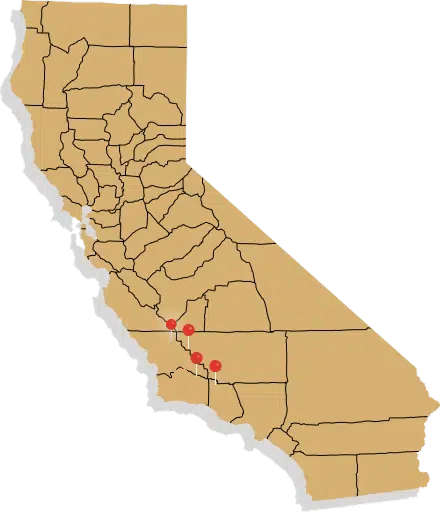
Our team serves clients from Costa Mesa, Riverside, Rancho Cucamonga, Apple Valley, Victorville, and Bakersfield, throughout Southern California. We work on a contingency fee, so there is no cost unless we recover compensation for you. Se habla espanol.
Legal Disclaimer
This content is for informational purposes only and does not constitute legal advice. The outcome of any case depends on its specific facts and circumstances. Past results do not guarantee future outcomes. Contact The Accident Network Law Group for advice about your individual situation.