CALL US NOW
 EMAIL US NOW

A personal injury attorney gains leverage in your case by gathering evidence. That evidence proves the other party’s negligence and documents the full extent of your injuries and losses. In California, this typically includes medical records, accident scene documentation, witness testimony, expert opinions, and financial records showing economic impact. The stronger your evidence, the more pressure an insurance company faces to offer a fair settlement. Attorney Damoun Yazdi at The Accident Network Law Group begins building the evidence file from day one of every case.
Key Takeaways
- Medical records are the foundation of every personal injury claim and should begin the day of your accident
- Surveillance footage, photographs, and police reports establish what happened and who is at fault
- Expert witnesses, including accident reconstructionists and medical specialists, add credibility that insurance adjusters take seriously
- Financial documentation of lost wages, medical bills, and future care needs quantifies your economic damages
- Attorney Damoun Yazdi, with 12+ years of experience and a background at the LA County DA’s Office, knows how to present evidence for maximum impact
Medical Records and Treatment Documentation
Medical evidence forms the backbone of any personal injury claim in California. Without it, there is no verifiable link between the accident and your injuries.
Emergency room records from the day of the accident establish a baseline. They document the initial assessment, diagnostic tests ordered, injuries diagnosed, and treatment provided. If you delayed seeking medical attention, the insurance company will argue the accident did not cause your injuries or that they were not serious.
Follow-up treatment records show the ongoing impact of your injuries. Each doctor’s visit, physical therapy session, chiropractic appointment, and specialist consultation adds to the record that demonstrates your injury required sustained care. Consistent, uninterrupted treatment tells a clear story to an insurance adjuster or jury.
Prescription records document medications prescribed for pain, inflammation, anxiety, sleep disruption, or other symptoms resulting from the injury. The cost of these medications is part of your economic damages.
Specialist reports carry particular weight. An orthopedic surgeon’s assessment of a fracture, a neurologist’s evaluation of a traumatic brain injury, or a pain management specialist’s prognosis for chronic pain provides expert medical documentation that is difficult for an insurer to dismiss.
Future care projections from treating physicians estimate what ongoing medical treatment you will need. If your injury requires future surgeries, long-term physical therapy, or permanent medication, these projected costs are recoverable under California law.
Accident Scene Evidence
Evidence from the scene establishes what happened and who bears responsibility.
Police reports provide an official account of the accident, including the responding officer’s observations, a scene diagram, witness contact information, and any citations issued. In California, traffic accident reports from the California Highway Patrol or local police departments carry significant weight in settlement negotiations.
Photographs and video from the scene document conditions at the time of the accident. This includes vehicle damage, road conditions, weather, traffic signals, skid marks, property defects, and any hazards that contributed to the incident. Modern smartphones make it possible to capture this evidence immediately, before conditions change.
Surveillance camera footage from nearby businesses, traffic cameras, or dashcams can provide an objective record of exactly how the accident occurred. This evidence must be requested quickly. Many surveillance systems overwrite footage within days or weeks. Attorney Yazdi’s team sends preservation letters to businesses and government agencies promptly to prevent evidence destruction.
911 call recordings capture the immediate aftermath and can establish the severity of the situation as perceived by witnesses and first responders.
Witness Testimony
Witnesses provide third-party accounts that corroborate your version of events.
Eyewitnesses who saw the accident happen can testify about the at-fault party’s actions, the speed of vehicles, traffic signal status, and the condition of the property where a slip-and-fall occurred. Independent witnesses with no financial stake in the outcome are particularly credible.
Character witnesses, including family members, friends, and coworkers, can testify about changes in your behavior, mood, physical abilities, and quality of life since the injury. A spouse describing how you can no longer play with your children or a supervisor explaining how your work performance has declined puts a human face on the claim.
Medical witnesses, meaning your treating physicians, can testify about the nature and cause of your injuries, your treatment plan, and your prognosis. Their testimony connects the medical records to the accident and explains the significance of the findings to a jury.
Expert Witnesses and Professional Analysis
Expert witnesses provide specialized analysis that strengthens your case beyond what fact witnesses can offer.
Accident reconstruction experts use physics, engineering, and scene evidence to determine how the accident occurred and who was at fault. In vehicle collision cases, they analyze damage patterns, speed calculations, and trajectory to establish the mechanics of the crash. In premises liability cases, they may analyze building code compliance, lighting adequacy, or surface conditions.
Medical experts can testify about causation (linking the accident to your specific injuries), the expected duration and extent of recovery, and whether your injuries will result in permanent impairment. Their opinions carry more weight than a general practitioner’s when the injury involves specialized medicine.
Vocational rehabilitation experts assess how your injuries affect your ability to earn a living. They evaluate your pre-injury occupation, education, skills, and the labor market to calculate lost earning capacity over your remaining working years.
Economic experts calculate the present value of your future losses, including future medical care, lost income, and diminished earning capacity, adjusting for inflation and discount rates. These calculations can represent the largest component of damages in serious injury cases.
Life care planners develop a comprehensive plan detailing every medical service, therapy, medication, and assistive device you will need for the remainder of your life. This evidence is critical in cases involving permanent disability or chronic conditions.
Financial and Employment Documentation
Economic damages must be documented with precision to be recoverable.
Pay stubs, tax returns, and employer statements establish your pre-injury income and the wages you lost while recovering. If you used vacation or sick days for medical appointments, those lost benefits are also compensable.
Self-employment records for business owners or independent contractors require more detailed documentation, including profit and loss statements, client contracts, and evidence of business decline following the injury.
Medical bills and insurance statements quantify your healthcare costs. Both the amounts billed and the amounts paid are relevant, though California law (Howell v. Hamilton Meats, 2011) limits recoverable medical damages to amounts actually paid or incurred rather than the full billed amount.
Out-of-pocket expense receipts for transportation to medical appointments, home modifications, assistive devices, household help, and other injury-related costs are all recoverable.
How Attorney Yazdi Uses Evidence for Maximum Leverage
Attorney Damoun Yazdi began his career as a paralegal at a personal injury firm, where he learned how insurance companies evaluate and undervalue claims. His subsequent experience as a law clerk at the Los Angeles County District Attorney’s Office gave him litigation and trial preparation skills that most personal injury attorneys do not have.
His approach to evidence gathering includes starting the investigation immediately after the initial consultation, sending preservation letters for surveillance footage and electronic data, coordinating with treating physicians to ensure medical records comprehensively document your injuries, and retaining expert witnesses when the complexity of the case warrants it.
When an insurance company knows that the opposing attorney has assembled a thorough evidence file and is willing to take the case to trial, settlement offers tend to be more reasonable. Attorney Yazdi represents clients on a contingency basis, so there is no financial risk to you.
California Laws That Affect Evidence in Personal Injury Cases
California Code of Civil Procedure Section 335.1 gives you two years from the date of injury to file your claim. Evidence degrades over time, so early action is critical.
California follows pure comparative negligence (Li v. Yellow Cab Co., 1975), meaning even if you are partially at fault, you can recover compensation reduced by your percentage of responsibility. Evidence that minimizes your share of fault directly increases your recovery.
California Civil Code Section 1714 establishes the general duty of care. Your attorney uses evidence to show that the defendant breached this duty and that the breach caused your injuries.
Government Code Section 911.2 imposes a six-month deadline for filing tort claims against government entities. If the responsible party is a city, county, or state agency, evidence must be gathered even more urgently.
California Vehicle Code Section 16056 (amended by SB 1107, effective January 1, 2025) sets auto insurance minimums at $30,000/$60,000/$15,000. When damages exceed these minimums, your attorney must investigate all available coverage.
Benjamin Ramos
Great service 👏
Contact The Accident Network Law Group About Your Evidence-Backed Claim
Every day that passes after an accident is a day evidence can disappear. Attorney Damoun Yazdi at The Accident Network Law Group begins gathering and preserving evidence as soon as you call, from surveillance footage requests to expert witness coordination, so your claim is backed by the strongest possible record when negotiations or litigation begin. Consultations are always free, and our firm works on a contingency basis under our No Recovery, No Fee policy, so you owe nothing unless we win.
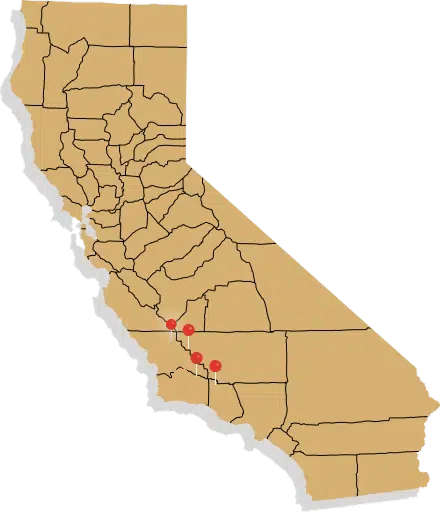
Our team serves clients in Costa Mesa, Riverside, Rancho Cucamonga, Apple Valley, Victorville, and Bakersfield, and throughout Southern California. Se habla espanol. Reach out today to start building the evidence file your case deserves.
Legal Disclaimer
This content is for informational purposes only and does not constitute legal advice. The outcome of any case depends on its specific facts and circumstances. Past results do not guarantee future outcomes. Contact The Accident Network Law Group for advice about your individual situation.