CALL US NOW
 EMAIL US NOW

If an accident has left you unable to work in your field or at all, California law lets you recover the wages you have already lost. You can also recover the income you will lose in the future because your earning capacity is reduced. In most California personal injury cases, there is no statutory cap on these economic damages. The amount depends on your earnings before the injury and your occupation. It also depends on the severity of your injuries and your long-term prognosis. Attorney Damoun Yazdi at The Accident Network Law Group evaluates lost income claims for accident victims throughout Southern California.
Key Takeaways
- California personal injury law allows recovery for both past lost wages and future lost earning capacity
- Lost earning capacity is calculated based on the difference between what you could have earned and what you can now earn post-injury
- Vocational rehabilitation experts and economists help quantify future income losses for court
- Self-employed individuals and gig workers can also recover lost income with proper documentation
- Attorney Damoun Yazdi, with 12+ years of experience, works to maximize employment-related damage claims
Types of Work-Related Damages in California
California law recognizes several categories of employment-related damages that an accident victim can recover. Each addresses a different aspect of the financial harm caused by being unable to work.
Past Lost Wages
Past lost wages cover income you have already lost between the date of your accident and the resolution of your claim. This includes regular wages or salary, overtime pay you would have earned, bonuses and commissions based on your historical pattern, sick days and vacation days used for medical treatment, and employer-provided benefits such as health insurance contributions and retirement matching that you lost during your absence.
To prove past lost wages, your attorney will gather pay stubs, tax returns, W-2 forms, employment verification letters, and attendance records. For hourly workers, the calculation is straightforward: hours missed multiplied by your hourly rate. For salaried workers, commissions-based employees, and those with variable income, the analysis requires more documentation.
Future Lost Earning Capacity
Future lost earning capacity is often the largest component of damages when an accident permanently affects your ability to work. This is not simply your current salary multiplied by years until retirement. It is a complex economic calculation that accounts for your pre-injury earning trajectory (promotions, raises, career advancement you would have achieved), the difference between what you can now earn in a reduced capacity and what you would have earned at full capacity, inflation adjustments over your remaining working years, the present value of future losses (discounting future dollars to current value), and benefits and retirement contributions you will no longer receive.
For example, a 35-year-old electrician earning $85,000 per year who sustains a spinal cord injury that prevents returning to physical labor may have 30 remaining working years of lost earning capacity. Even if that person can transition to a desk job earning $45,000, the $40,000 annual gap, adjusted for raises and inflation over 30 years, represents a substantial claim.
Loss of Employment Benefits
Beyond wages, your employment may have provided health insurance, dental and vision coverage, retirement plan contributions, stock options or equity, disability insurance, and life insurance. When you can no longer work in your field, the loss of these benefits is a compensable economic damage.
How Lost Income Claims Are Calculated
Calculating work-related damages requires more than arithmetic. Insurance companies routinely challenge these claims, so the evidence and methodology must be rigorous.
Documentation Your Attorney Will Gather
Tax returns for the three to five years preceding the accident establish your earning history and trajectory. Employment records including performance reviews demonstrate your career progression. Employer statements confirming your position, pay rate, benefits, and the income you lost due to the accident. Medical records linking your injuries to your inability to work, including any work restrictions imposed by your treating physicians. Vocational assessments evaluating what types of work you can still perform given your injuries.
Expert Witnesses for Lost Income Claims
Vocational rehabilitation experts evaluate your pre-injury skills, education, training, and work history against your post-injury physical and cognitive limitations. They identify what jobs you can still perform and what those jobs pay in the Southern California labor market. Their testimony establishes the gap between your pre-injury earning potential and your post-injury capacity.
Economists calculate the present value of your future lost earnings. They apply accepted economic methodologies to project your income trajectory, adjust for inflation, and discount future dollars to present value. Their calculations are what juries and insurance companies rely on to assign a dollar figure to your claim.
Treating physicians and specialists provide the medical foundation by documenting your functional limitations, work restrictions, and prognosis. A neurologist’s opinion that your traumatic brain injury prevents returning to your previous profession, or an orthopedic surgeon’s assessment that your back injury limits you to sedentary work, directly supports the vocational expert’s analysis.
Special Situations
Self-Employed and Gig Economy Workers
If you are self-employed, a freelancer, or work in the gig economy, proving lost income requires additional documentation. Profit and loss statements, 1099 forms, client contracts, invoices, bank statements, and business tax returns all help establish your pre-injury earnings. If your business declined or closed because of your injury, evidence of the business’s trajectory before the accident supports a claim for lost business income.
Attorney Yazdi began his career as a paralegal at a personal injury firm, where he learned that insurance companies scrutinize self-employment income claims more aggressively. He ensures self-employed clients’ claims are documented thoroughly enough to withstand that scrutiny.
Workers With Multiple Jobs
If you held multiple jobs or had a side business in addition to your primary employment, you can recover lost income from all sources affected by your injury.
Career Changers
If your injuries force you to change careers entirely, the transition period, including retraining costs, education expenses, and income lost during retraining, is part of your damages.
California Laws Affecting Work-Related Injury Damages
California Code of Civil Procedure Section 335.1 gives you two years from the date of injury to file a personal injury claim. This deadline applies to all damage claims, including lost income.
California Civil Code Section 1714 establishes the negligence standard. When the at-fault party breached their duty of care and caused your inability to work, they are liable for the resulting economic losses.
California follows pure comparative negligence (Li v. Yellow Cab Co., 1975). Your lost income recovery is reduced by your percentage of fault, not eliminated entirely.
California Vehicle Code Section 16056 (amended by SB 1107, effective January 1, 2025) sets minimum auto insurance at $30,000/$60,000/$15,000. Serious lost income claims frequently exceed these minimums. Attorney Yazdi investigates all available insurance coverage, including umbrella policies and underinsured motorist coverage.
Government Code Section 911.2 imposes a six-month tort claim deadline for injuries caused by government entities.
Talk to an Attorney About Your Lost Income Claim
If an accident has affected your ability to work, the attorneys at The Accident Network Law Group can evaluate what your lost income claim is worth. Attorney Damoun Yazdi, with 12+ years of personal injury experience and a background as a former law clerk at the Los Angeles County District Attorney’s Office, handles these claims on a contingency basis.
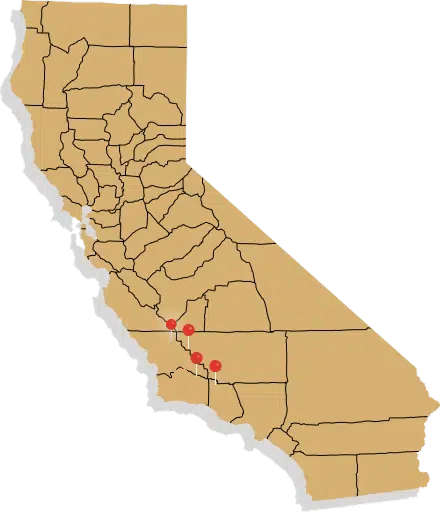
Our team serves Riverside, Costa Mesa, Rancho Cucamonga, Apple Valley, Victorville, Bakersfield, and throughout Southern California. Se habla espanol. Contact us today for a free consultation.
Velma Craver
Legal Disclaimer
This content is for informational purposes only and does not constitute legal advice. The outcome of any case depends on its specific facts and circumstances. Past results do not guarantee future outcomes. Contact The Accident Network Law Group for advice about your individual situation.