CALL US NOW
 EMAIL US NOW

Rideshare accident settlements usually take longer than standard car accident claims. This applies to Uber, Lyft, and other Transportation Network Companies (TNCs). They are regulated under Article 7 of the California Public Utilities Code (Section 5430 et seq.). Several things add time. There are more layers of insurance coverage. The TNC driver’s app status at the time of the crash matters. The company also often has greater legal resources to defend the claim. Simple rideshare accident settlements may resolve in 6 to 12 months. Complex cases with serious injuries can take 2 to 3 years or longer to resolve through settlement or trial.
Key Takeaways
- Rideshare accident settlements typically take 6 months to 3+ years depending on injury severity, TNC insurance phase, and whether litigation is required
- The phase of the TNC driver’s app at the time of the crash determines which insurance policy applies, and which company’s legal team becomes involved
- Uber and Lyft maintain $1 million per-occurrence primary liability coverage when drivers are on a trip (Phase 3) or en route to pick up a passenger (Phase 2)
- Effective January 1, 2026, Senate Bill 371 reduced the separate uninsured/underinsured motorist coverage TNCs must carry during those same phases from $1 million to $60,000 per person and $300,000 per incident; this can matter when the at-fault driver has no insurance or too little
- California’s two-year statute of limitations (CCP Section 335.1) applies, so do not delay consulting an attorney
- Never accept a quick settlement from Uber or Lyft’s insurer without first reaching maximum medical improvement and consulting with Attorney Yazdi
What Determines Rideshare Settlement Timeline
TNC insurance phase complexity: California’s rideshare insurance framework (Public Utilities Code Section 5433) requires TNCs to carry coverage at different levels depending on the driver’s app status. Phase 1 (app on, waiting for a ride request) requires at least $50,000 per person and $100,000 per accident for death or injury, plus $30,000 for property damage. Phase 2 (en route to pick up a passenger) and Phase 3 (passenger in the vehicle) require $1,000,000 per occurrence in primary liability coverage. Separately, Senate Bill 371 reduced the uninsured/underinsured motorist coverage TNCs must carry during Phase 2 and Phase 3 from $1,000,000 to $60,000 per person and $300,000 per incident, effective January 1, 2026; the $1,000,000 primary liability coverage for at-fault rideshare drivers is unaffected by this change. Determining which phase applied at the moment of the crash, and which insurance policy is primary, adds time to early claim processing.
Corporate defense resources: Uber and Lyft retain large national law firms to defend claims. Their legal teams actively investigate and dispute liability, causation, and damages, which often extends the resolution timeline compared to claims against individual drivers.
Severity of injuries: As with standard auto accident claims, rideshare settlements should not be finalized until you have reached maximum medical improvement. Serious injuries (spinal, TBI, fractures) requiring surgery or long-term rehabilitation add months or years to the timeline.
Multiple liable parties: Rideshare accidents often involve the TNC driver, another at-fault driver, and potentially the TNC company itself, requiring claims against multiple insurers simultaneously.
What to Do After a Rideshare Accident
Document your ride (screenshot the Uber or Lyft receipt showing trip status); photograph the scene and all vehicles; request the police report; seek immediate medical care; and contact Attorney Damoun Yazdi before communicating with any insurance adjuster.
Santiago Flores
Great experience got me the help i needed.. and great personality 😌.. once again thanku so much
Contact The Accident Network Law Group
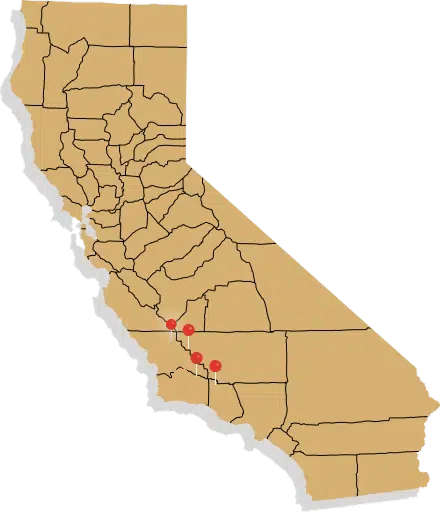
Attorney Damoun Yazdi and the team at The Accident Network Law Group handle Uber, Lyft, and other TNC accident claims throughout Southern California, bringing 12+ years of personal injury experience to the layered insurance disputes unique to rideshare cases, including the coverage changes brought by SB 371. We serve Costa Mesa, Riverside, Rancho Cucamonga, Apple Valley, Victorville, and Bakersfield. Free consultations, contingency fee: you pay nothing unless we recover compensation for you. Se habla espanol.
This content is for informational purposes only and does not constitute legal advice. The outcome of any case depends on its specific facts and circumstances. Past results do not guarantee future outcomes. Contact The Accident Network Law Group for advice about your individual situation.