CALL US NOW
 EMAIL US NOW


California Wildfire Injury and Property Damage Claims: Legal Rights in 2026
California wildfires cause devastating property destruction, serious burn injuries, respiratory harm, and wrongful death. Property owners and injury victims have legal claims for compensation when a wildfire is caused by utility company equipment, government negligence, arson, or another party’s negligence. California has established specific legal rules for wildfire liability. These include inverse condemnation for government-caused fires and negligence and strict liability theories against investor-owned utilities. Attorney Damoun Yazdi evaluates wildfire injury and property damage claims for California victims.
Key Takeaways
- Utility company wildfire liability: California’s inverse condemnation doctrine, rooted in Article I, Section 19 of the California Constitution, holds utilities strictly liable for property damage caused by their equipment, regardless of whether the utility was negligent
- Cal Fire investigation reports and utility company vegetation management records are critical evidence in wildfire liability cases
- Wildfire personal injury claims (burn injuries, smoke inhalation, evacuation injuries) are pursued under negligence and products liability theories separate from property damage claims
- California’s two-year statute of limitations (CCP Section 335.1) applies to personal injury wildfire claims; property damage claims against private parties generally follow the three-year period in CCP Section 338
- Government agency wildfire liability (negligent fire suppression, hazardous road conditions during evacuation, government property maintenance failures) requires a government tort claim under Government Code Section 911.2 filed within 6 months, regardless of whether the claim is for injury or property damage
Utility Company Wildfire Liability in California
California’s inverse condemnation doctrine, rooted in Article I, Section 19 of the California Constitution, imposes strict liability on public utilities, including investor-owned utilities like Pacific Gas & Electric, Southern California Edison, and San Diego Gas & Electric, for damage caused by their infrastructure when the infrastructure was being used to serve a public use. This means that if utility equipment caused the fire, the utility is liable for property damage even without proving negligence.
Negligence liability: In addition to inverse condemnation, wildfire victims can pursue negligence claims against utilities for failure to properly maintain transmission lines, failure to de-energize lines during Red Flag conditions, and failure to maintain required vegetation clearances under Public Resources Code Section 4293, which sets minimum clearance distances between vegetation and power lines based on line voltage.
What to Document After a Wildfire
Photograph all property damage thoroughly. Retain all receipts for emergency costs, temporary housing, and replacement purchases. Document all medical treatment for smoke inhalation, burns, or evacuation injuries. Save all Cal Fire investigation notices and utility company communications. Contact Attorney Yazdi before accepting any settlement from a utility company’s claims program, since initial offers frequently do not reflect full replacement value and future impact.
Contact The Accident Network Law Group
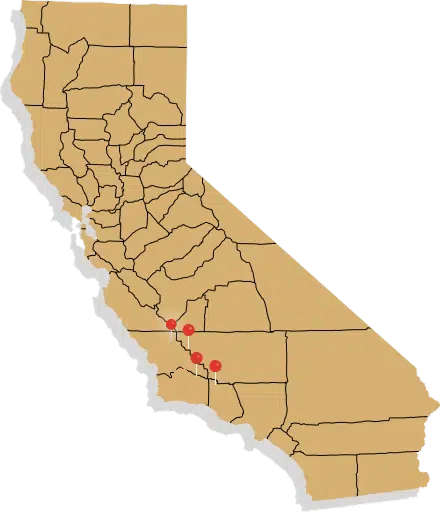
Wildfire claims often involve multiple potentially responsible parties, a utility, a government agency, or another negligent party, each with different filing deadlines. The Accident Network Law Group can help you identify every available claim and meet the applicable deadlines, including the strict six-month window for government tort claims. We handle these cases on a contingency fee basis, so you pay nothing unless we recover for you, and your consultation is always free. Our team serves Costa Mesa, Riverside, Rancho Cucamonga, Apple Valley, Victorville, Bakersfield, and the surrounding areas. Se habla espanol.
This content is for informational purposes only and does not constitute legal advice. The outcome of any case depends on its specific facts and circumstances. Past results do not guarantee future outcomes. Contact The Accident Network Law Group for advice about your individual situation.