CALL US NOW
 EMAIL US NOW
Becoming a driver on the Lyft platform requires meeting specific criteria designed to ensure safety and reliability for passengers. The key qualifications include holding a valid driver’s license, maintaining appropriate insurance coverage, and driving a four-door vehicle that meets Lyft’s standards. Meeting these conditions allows drivers to join the growing network of rideshare services serving many cities.
Rideshare services demand that drivers meet certain age and vehicle registration rules, which can vary by location. It’s important for drivers to also pass background checks and keep their vehicles properly registered and insured to remain active on the platform. This set of guidelines shares similarities with Uber driver requirements, reflecting common industry practices.
Drivers should remain mindful of potential risks involved in rideshare driving, including accidents. Those affected by incidents with services like Lyft or Uber can seek legal advice from dedicated rideshare accident lawyers. Understanding the full scope of driver qualifications helps individuals prepare effectively and safely enter this field.
Requirements to Drive for Lyft: Driver and Vehicle Guidelines
To qualify as a Lyft driver, individuals must meet certain personal and vehicle conditions. Age limits vary by location, typically ranging from 21 to 25 years old. Drivers need a valid license applicable to their specific area.
A thorough background screening is mandatory. This includes checks on driving history and criminal records to ensure passenger safety. Proof of insurance and necessary documents must also be submitted.
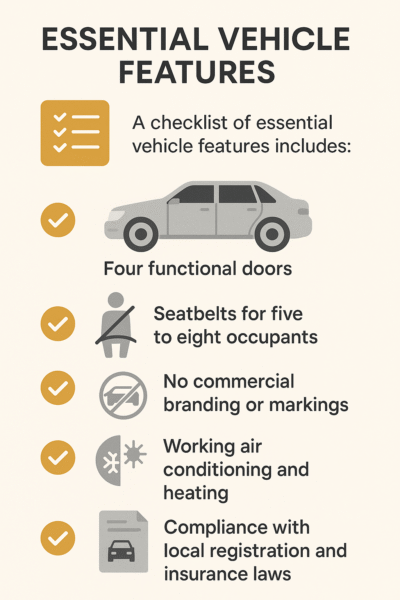
Vehicle standards are strict and straightforward. Each car must have four doors and carry between five to eight seatbelts including the driver’s seat. Additionally, the model year of the car often must be recent enough to ensure reliability, such as being a 2008 or newer model in places like California.
Applicants must provide a clear profile photo that accurately represents them. This helps maintain trust within the community of riders and drivers.
Here is a brief list of primary driver requirements:
- Valid driver’s permit for the region
- Completion of background verification
- Proof of insurance and registration
Vehicle guidelines include:
- Minimum four-door setup
- Seatbelts for all passengers
- Compliance with model year requirements
Marget Slade
Damoun and team handled my injury claim excellenetly and were able to get me a much more fair amount than what I was first being offered. I would recommend them to anyone who needs an accident lawyer that can truly dedicate themselves to the case.
Understanding Lyft’s Vehicle Standards and Inspection Rules
Lyft requires specific criteria for vehicles to ensure passenger safety and comfort. Every car must have four doors and seatbelts for at least five passengers, including the driver. The maximum capacity allowed is eight seatbelts.
Vehicles must meet certain age and condition standards, typically requiring them to be relatively recent models without visible damage or defects. Regular maintenance and proper working order of key components like brakes, tires, and lights are mandatory.
Before driving, a thorough inspection by a certified mechanic is necessary to confirm the vehicle’s roadworthiness. This examination includes assessing the engine, transmission, suspension, and emissions system.
Lyft also prohibits cars with cosmetic issues such as dents, cracked windows, or missing panels to maintain a clean and professional image.
Insurance Coverage and Legal Protections for Lyft Drivers
Lyft drivers are required to maintain specific insurance coverage to operate within legal boundaries and protect themselves during rideshare activity. Personal vehicle insurance alone usually does not extend to business use, so additional protections are necessary.
Lyft provides at least $1,000,000 of third-party auto liability coverage when drivers are actively transporting passengers or have a ride request. This coverage applies during the entire ride, from accepting the request to dropping off the passenger.
Drivers also have access to first-party coverages, which may include uninsured motorist protection and contingent comprehensive and collision coverage, depending on the driver’s own insurance policy and Lyft’s terms.
Responsibilities for coverage vary depending on the driver’s status:
- When the app is on but no ride request is accepted, Lyft usually offers limited liability protection.
- While driving without the app activated, the driver’s personal insurance is in effect.
In some states, such as Michigan, additional requirements apply. Drivers must carry property protection coverage and comply with state-specific insurance laws beyond the basic Lyft requirements.
Drivers must have current and valid insurance policies, sometimes with their name explicitly listed. The exact criteria can depend on regional regulations and Lyft’s operational guidelines.
Frequently Asked Questions
What is the minimum age to operate for Lyft?
The age requirement varies by location but generally ranges from 21 to 25 years old. In some areas like Utah, drivers must be at least 25 years old. Checking local regulations is essential to confirm the exact age limit.
How much driving experience is needed?
Drivers usually must have between 1 to 3 years of licensed driving history, depending on their age. This ensures they have sufficient time on the road to handle different driving situations safely.
Are there vehicle requirements to join Lyft?
Yes, cars must meet specific safety standards and be recent models. Requirements may include a four-door vehicle, good condition, and passing a vehicle inspection.
Is a special license required?
A valid driver’s permit from the area of residence is mandatory. Some regions also accept provisional or temporary licenses temporarily.
What about background checks?
Lyft requires passing a screening process that reviews driving history and criminal records to ensure passenger security.
| Requirement | Detail |
|---|---|
| Minimum Age | Typically 21-25, varies by region |
| Driving Experience | 1-3 years licensed driving |
| Vehicle Standards | Recent four-door, good condition |
| License | Valid local driver’s license |
| Background Screening | Driving and criminal record check |