CALL US NOW
 EMAIL US NOW

California’s coastal and inland regions get significant rain during the October through April rainy season. Storms can also catch drivers off guard at other times of year. Wet roads sharply reduce tire traction, lengthen braking distances, and raise the risk of hydroplaning. The risk is highest early in a rainfall, when oil residue on dry pavement mixes with water and makes conditions extremely slippery. Under California Vehicle Code Section 22350 (the basic speed law), drivers must slow down and adjust to current road and weather conditions. A driver who fails to do so and causes an accident may be found negligent.
Key Takeaways
- California’s basic speed law (CVC Section 22350) requires drivers to slow down in adverse weather; failure to do so is a moving violation and evidence of negligence
- Hydroplaning risk increases sharply as speed rises on wet roads, since tires can lose contact with the road when they cannot channel water away fast enough
- Wet weather accidents caused by another driver’s failure to adjust speed or control are handled as standard negligence claims under California Civil Code Section 1714
- California’s two-year statute of limitations (CCP Section 335.1) applies to wet weather accident injury claims
- Government liability for dangerous road conditions may exist under Government Code Section 835 if poor drainage contributed to the hazard
Safe Wet Weather Driving Tips for California
Slow down: California’s basic speed law (CVC Section 22350) requires you to drive at a speed appropriate for current conditions, regardless of the posted speed limit. In heavy rain, reduce your speed by 5-10 mph below the posted limit or more as conditions warrant.
Increase following distance: On wet roads, stopping distances increase significantly. Use a minimum four-second following distance instead of the standard three seconds.
Turn on headlights: California law (Vehicle Code Section 24400) requires headlights whenever windshield wipers are in continuous use due to rain, snow, fog, or other precipitation, or whenever visibility drops below 1,000 feet. Headlights improve your own visibility and make your vehicle visible to other drivers.
Avoid hydroplaning: Hydroplaning occurs when tires lose contact with the road surface due to excess water, and the risk climbs quickly as speed increases. To reduce risk, ensure adequate tire tread depth (CVC Section 27465), avoid sudden steering inputs or braking at highway speeds, and steer gently through standing water.
Beware of first-rain conditions: The first rainfall after a dry spell is often the most dangerous because accumulated oil and dust mix with water to create a slick film on road surfaces. Conditions typically improve once sustained rainfall washes the residue away.
Liability for Wet Weather Car Accidents
When another driver fails to adjust their speed and driving behavior for wet conditions and causes an accident, they can be held liable for negligence. CVC Section 22350 violations support a negligence per se argument. California Evidence Code Section 669 provides that a statutory violation creates a presumption of negligence if it caused the plaintiff’s injuries.
If standing water or flooding on a California highway created a dangerous condition, Caltrans or a local agency may also bear partial liability under Government Code Section 835 if they knew or should have known about the drainage problem and failed to address it within a reasonable time.
Shabnam Solati
My dad was recently in an auto accident and I wanted to get a second opinion. Attorney Damoun Yazdi at Riverside, was willing and super helpful in explaining the process and making sure I was fully aware of little details which had originally went unnoticed with my dad. I’m very thankful to have consulted with the Accident Network Law Group
Contact The Accident Network Law Group About a Wet Weather Accident
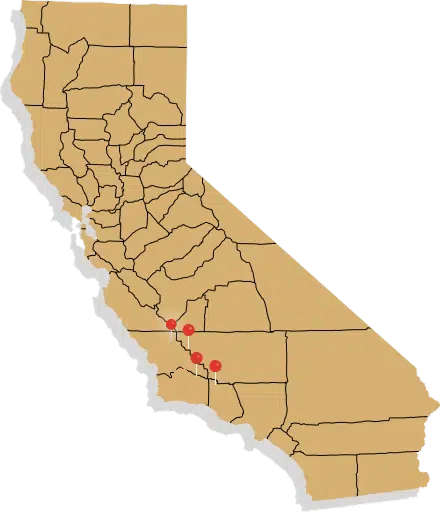
If another driver failed to slow down or maintain control in the rain and caused your accident, Attorney Damoun Yazdi and the team at The Accident Network Law Group can investigate the crash, the road conditions, and any government drainage issues that may have contributed. Free consultations, No Recovery No Fee. We serve Costa Mesa, Riverside, Rancho Cucamonga, Apple Valley, Victorville, and Bakersfield, and throughout Southern California. Se habla espanol.
This content is for informational purposes only and does not constitute legal advice. The outcome of any case depends on its specific facts and circumstances. Past results do not guarantee future outcomes. Contact Accident Network Law Group for advice about your individual situation.