CALL US NOW
 EMAIL US NOW

Yes, insurance can provide financial relief after a car accident in California. But the amount you recover depends on whose insurance applies, what coverage levels are in place, and how well your claim is presented. Many accident victims get far less than they are entitled to. Insurance companies want to keep payouts low. Attorney Damoun Yazdi at The Accident Network Law Group helps car accident victims through the claims process to maximize their recovery throughout Southern California.
Key Takeaways
- California requires minimum auto insurance of $30,000/$60,000/$15,000 under Vehicle Code Section 16056 (amended by SB 1107, effective January 1, 2025)
- The at-fault driver’s liability insurance is the primary source of recovery in a typical car accident
- Your own insurance may also provide coverage through MedPay, PIP, collision, and uninsured/underinsured motorist coverage
- Insurance companies use trained adjusters whose goal is to minimize payouts, not maximize your recovery
- An attorney can identify all available coverage and present your claim to obtain the maximum available compensation
Types of Insurance Coverage That Apply After a Car Accident
Liability Insurance from the At-Fault Driver
If another driver caused the accident, their liability insurance is the primary source of compensation for your injuries and property damage. Liability insurance covers the at-fault driver’s legal obligation to pay for damages they cause to others, including your medical bills, lost wages, pain and suffering, and vehicle repair or replacement.
California Vehicle Code Section 16056, as amended by SB 1107 effective January 1, 2025, sets minimum liability insurance at $30,000 per person, $60,000 per accident for bodily injury, and $15,000 for property damage. Serious injuries frequently produce damages that exceed these minimums, which is why your attorney must investigate all available coverage, including the at-fault driver’s full policy limits and any umbrella coverage.
Your Own Medical Payments Coverage (MedPay)
Medical Payments coverage (MedPay) is optional in California and pays for your medical expenses regardless of who caused the accident. MedPay is first-party coverage, meaning you file with your own insurer, and it pays without requiring you to prove the other driver’s fault. Coverage amounts vary by policy and by how much the policyholder purchased. MedPay can bridge the gap between the time of the accident and resolution of your liability claim.
Uninsured and Underinsured Motorist Coverage (UM/UIM)
California requires insurers to offer Uninsured Motorist (UM) coverage, though drivers may reject it in writing. UM coverage applies when the at-fault driver has no insurance. Underinsured Motorist (UIM) coverage applies when the at-fault driver has insurance, but their policy limits are insufficient to cover your damages. If the at-fault driver carries only the minimum $30,000 policy and your damages are $150,000, your UIM coverage makes up the $120,000 gap, up to your UIM policy limits.
Attorney Yazdi reviews all insurance policies applicable to your accident to identify every source of coverage. Many accident victims do not realize they have UM/UIM coverage or that it applies to their situation.
Collision Coverage
Your collision coverage pays for repair or replacement of your own vehicle regardless of fault. If the at-fault driver is uninsured or denies fault, your collision coverage allows you to get your vehicle repaired quickly without waiting for the liability dispute to resolve. You pay your deductible, and your insurer may recover it from the at-fault driver’s insurer through subrogation.
Why Insurance Companies Undervalue Claims
Insurance companies are businesses operating to generate profit. Their claims adjusters are trained to minimize payouts through recorded statements designed to elicit admissions that reduce your claim value, early low settlement offers made before you know the full extent of your injuries, disputing causation by arguing your injuries predated the accident or are less severe than claimed, and assigning comparative fault to you to reduce their obligation under California’s pure comparative negligence system.
Attorney Yazdi began his career as a paralegal at a personal injury firm, where he observed how insurance adjusters handle claims from unrepresented victims versus those with legal representation. His subsequent experience as a law clerk at the Los Angeles County District Attorney’s Office gave him the litigation skills to make the credible threat of trial that motivates fair settlement offers.
California Laws Relevant to Insurance Claims
California Vehicle Code Section 16056 (amended by SB 1107, effective January 1, 2025) sets minimum coverage requirements. California Insurance Code Section 790.03 prohibits unfair claims practices including unreasonable delays, inadequate investigation, and lowball offers. California Code of Civil Procedure Section 335.1 sets the two-year statute of limitations for personal injury claims. California follows pure comparative negligence (Li v. Yellow Cab Co., 1975).
Santiago Flores
Great experience got me the help i needed.. and great personality 😌.. once again thanku so much
Contact a California Car Accident Attorney
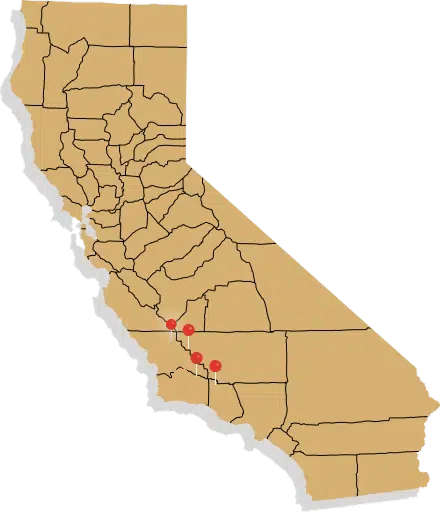
If you were injured in a car accident, Attorney Damoun Yazdi at The Accident Network Law Group can evaluate your claim, identify all available insurance coverage, and fight for maximum compensation. Free consultations, contingency basis. Our team serves Riverside, Costa Mesa, Rancho Cucamonga, Apple Valley, Victorville, and throughout Southern California. Se habla espanol.
Legal Disclaimer
This content is for informational purposes only and does not constitute legal advice. The outcome of any case depends on its specific facts and circumstances. Past results do not guarantee future outcomes. Contact The Accident Network Law Group for advice about your individual situation.